
Best LED Bulbs for Landscape Lighting (12V Guide + Buying Tips)
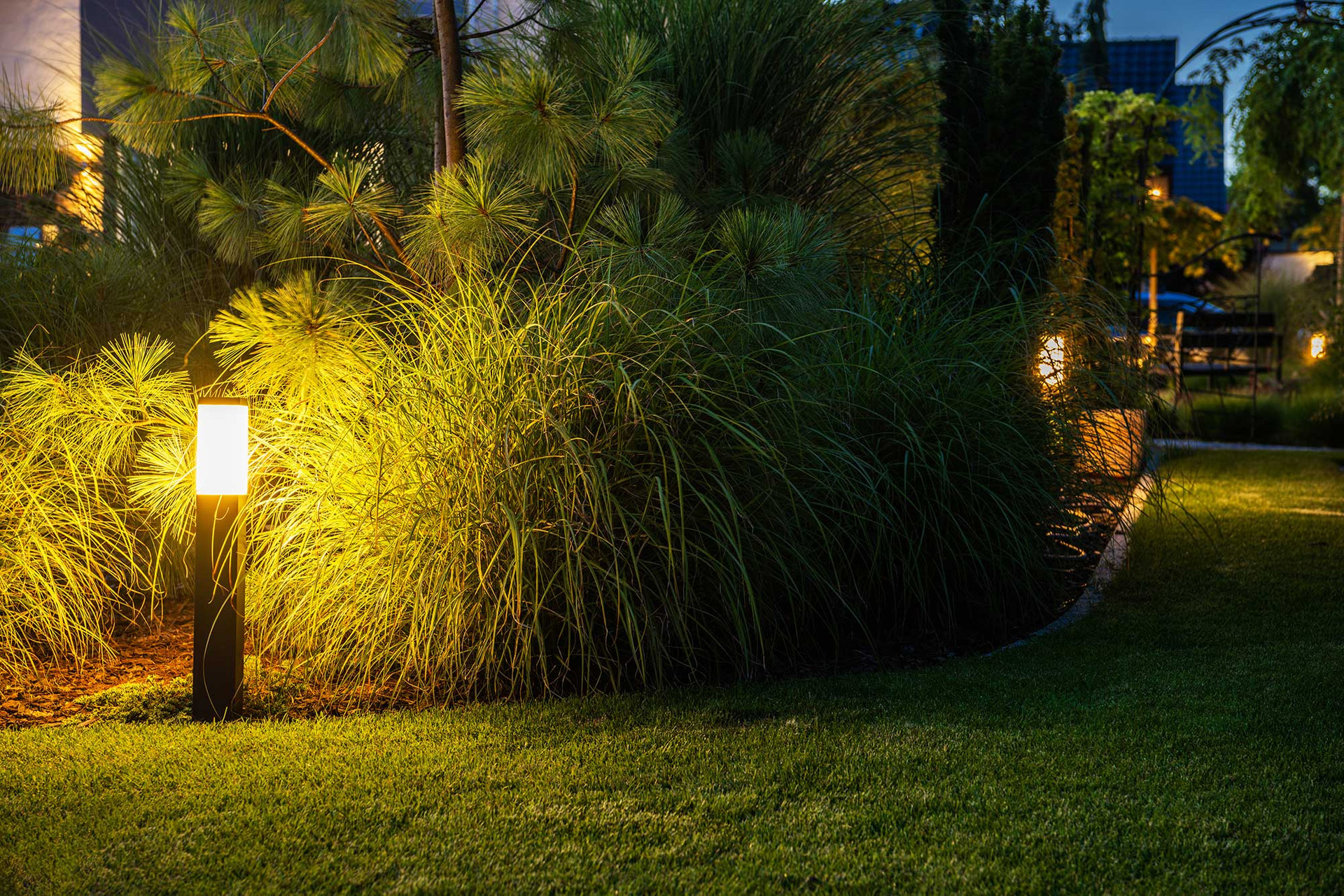
Let’s be real, outdoor lighting isn’t just about seeing your walkway at night. It changes how your whole property feels. A good setup makes your home look warmer, shows off your favorite tree or flower bed, and keeps people from tripping over garden edges.
I’ve messed around with low-voltage 12V systems for years. And the switch to LED? Game changer. But picking the right LED bulb isn’t just grabbing the brightest one on the shelf. You’ve got to think beam angle, color temp, how tough the bulb is, and if it even fits your fixture.
This guide walks you through all of that no fluff, just what actually works.
Why Most Homes Use 12V Landscape Lighting
If you’ve ever put in outdoor lights, you probably know that 12V low voltage is everywhere in residential setups. And for good reason.
It’s safer than standard 120V house current. You can bury the wires without losing sleep. Is installation forgiving to move a fixture later? No big deal. You just need a transformer to step down the power, and you’re set.
Most LED bulbs made for outdoors are designed specifically for these 12V systems. So that’s what we’ll focus on.
Why LED Beats Halogen Every Time
I remember using halogen bulbs years ago. Hot as a stove, burned out constantly, and ate up electricity. LEDs fixed all of that.
- Power savings – An LED uses like 80-90% less juice. A 5W LED gives roughly the same light as a 35W halogen. You’ll notice it on your electric bill.
- They just last – We’re talking 25,000 to 50,000 hours. That’s years without climbing a ladder to swap a blown bulb.
- Cooler to the touch – LEDs don’t turn your fixture into a little oven. That’s good for the bulb and anything near it.
- Better light control – You get exactly the beam you want, no weird hotspots or dim edges.
Types of LED Bulbs You’ll Actually Use
Not every bulb fits every fixture. Here are the ones you’ll run into most.
MR16 LEDs – These are the workhorses. Little bulbs with two pins on the back. Perfect for spotlights and accent lights. You can find them in narrow beams for pointing at a statue or wide beams for washing a wall. If someone asks me for the best MR16 outdoor bulb, I tell them to look for solid build quality and a beam angle that matches their target.
PAR36 LEDs – These go into well lights and in-ground fixtures. They’re bigger and throw light straight up. Great for lighting a big oak tree from below.
G4 Bi-Pin LEDs – Tiny little things. You’ll see them in small path lights or decorative lanterns. Not super bright, but they get the job done for gentle accenting.
Key Features That Actually Matter
Don’t get lost in marketing hype. Focus on this stuff.
1. Brightness – Pay Attention to Lumens, Not Watts
Watts don’t mean anything anymore. Look at lumens.
- Path lighting: 100–200 lumens (soft, not blinding)
- Accent lighting: 200–400 lumens (grabs your attention)
- Uplighting a tree: 300–800 lumens (depends on tree size)
2. Beam Angle – This Changes Everything
Ever put a spotlight on a bush, and it only lights up one leaf? Wrong beam angle.
- Narrow (15–25°) – Use this for pointing at a statue or a tall palm tree.
- Medium (30–45°) – Good for general accent lighting on a fence or garden bed.
- Wide (60°+) – Spreads light evenly across a wall or wide pathway.
3. Color Temperature – Keep It Warm Outdoors
This is measured in Kelvin. Lower numbers = warm and yellow, higher numbers = cool and blue.
- 2700K–3000K – Warm white. This looks natural and inviting. Most homes should stick here.
- 3000K–4000K – Neutral white. A little crisper, works for modern houses.
- 5000K+ – Cool white. Looks like a hospital parking lot. Avoid it unless you’re going for a weird industrial vibe.
Seriously, stick to warm tones outside. Your neighbors will thank you.
4. Weather Resistance
Rain, sprinklers, dust, freezing nights… your bulbs have to survive all of it. Look for bulbs that clearly say they’re rated for outdoor use. If it doesn’t mention weather, don’t buy it.
5. Voltage Compatibility
Most 12V systems run on AC. Some LEDs don’t like voltage dips. Cheap ones flicker. Spend a little more on quality and save yourself the headache.
What Works Best for Each Lighting Job
Instead of dropping brand names (because they change every year), here’s what works in the real world.
Pathway lighting
- 150–250 lumens
- Wide beam (60° or more)
- Warm white, 2700K
Uplighting a tree
- 300–600 lumens
- Narrow beam (15–30°)
- MR16 bulbs are perfect here
Washing a wall
- 400–800 lumens
- Wide beam spread
- Even light – no hot spots
Garden accents (small plants, rocks)
- 200–400 lumens
- Medium beam
- Soft warm tone
12V vs 120V – Quick Comparison
|
Feature |
12V Low Voltage |
120V Line Voltage |
|
Safety |
Very safe |
More risk |
|
Ease of install |
Pretty easy |
Needs an electrician |
|
Energy use |
Low |
Higher |
|
Flexibility |
Move things around easily |
Pain to change |
For a normal house, 12V is the way to go. No question.
How to Pick the Right Bulb Without Overthinking It
Start with what you want to light up. Seriously.
Step 1 – Ask yourself: is this for security? Looks? Just lighting a dark step?
Step 2 – Look at your fixture. Does it take MR16? PAR36? G4? Check before buying anything.
Step 3 – Choose brightness and beam together. A narrow beam can feel too bright even at low lumens because it’s concentrated. A wide beam at the same lumens feels softer.
Step 4 – Pick one color temperature and use it everywhere. Mixing 2700K and 4000K in the same yard looks sloppy.
Step 5 – Make sure your transformer can handle LEDs. Some older ones expect halogen loads and will have issues.
Mistakes I See All the Time
Too much light – You’re not lighting a football stadium. A little glow is more inviting than a blinding glare.
Mixing color temps – One warm light next to a cool light makes the cool one look blue and ugly. Pick a lane.
Ignoring beam angles – A narrow beam on a short bush looks ridiculous. It’s like a flashlight pointed at your feet.
Buying the cheapest bulbs online – Yeah, I’ve done it too. They flicker, die in six months, or flicker and then die. Just spend an extra couple of dollars.
So, Are LED Landscape Bulbs Worth It?
Absolutely. No contest.
You pay a little more upfront, but you save on electricity and replacement bulbs for years. Plus the light quality is better. I wouldn’t even consider halogen anymore unless someone gave me a box for free.
FAQs
What type of bulb is best for landscape lighting?
LED. Specifically, MR16 for most accent and spot fixtures. They’re reliable and easy to find.
Are LEDs really better for outdoors?
Yeah. They handle temperature changes better, last longer, and won’t burn your hand if you accidentally touch one.
What wattage should I look for?
Forget watts. Go by lumens. 3W to 9W LED bulbs cover most outdoor needs.
What voltage does landscape lighting use?
Almost always 12V low voltage for homes. It’s the standard.
Can I just swap my old halogen with an LED?
Usually, yes, as long as the bulb base matches and your transformer supports LED loads. Some old transformers need an upgrade.
How long do these bulbs really last?
Good ones last 25,000 to 50,000 hours. That’s 5–10 years of normal nighttime use.
What’s the best color temp for outdoor lighting?
2700K to 3000K. Warm and natural. Don’t overcomplicate it.
Are MR16 bulbs good for landscape lighting?
They’re probably the most popular choice for a reason. Good beam control, plenty of brightness options, and reliable.
How do I choose without getting overwhelmed?
Pick your goal first. Then match lumens, beam angle, and color temp to that goal. Check fixture compatibility last.
Do LED landscape bulbs actually save energy?
Yes. You’ll use about an eighth of the power compared to halogen. Not a gimmick.
Final Thoughts
Here’s the thing: the best LED bulb isn’t the most expensive or the one with the fanciest box. It’s the one that fits your fixture, throws the right beam, and gives you a warm color you actually like looking at.
Buy good 12V-compatible LEDs, plan your layout with a little care, and you’ll have a landscape lighting setup that looks clean, feels cozy, and runs for years without a hassle.
Now go light up that old oak tree.


