
Recessed Lighting Glare Reduction: Baffle vs Reflector
Recessed Lighting Glare Reduction: Baffle, Reflector, and Regressed Downlights
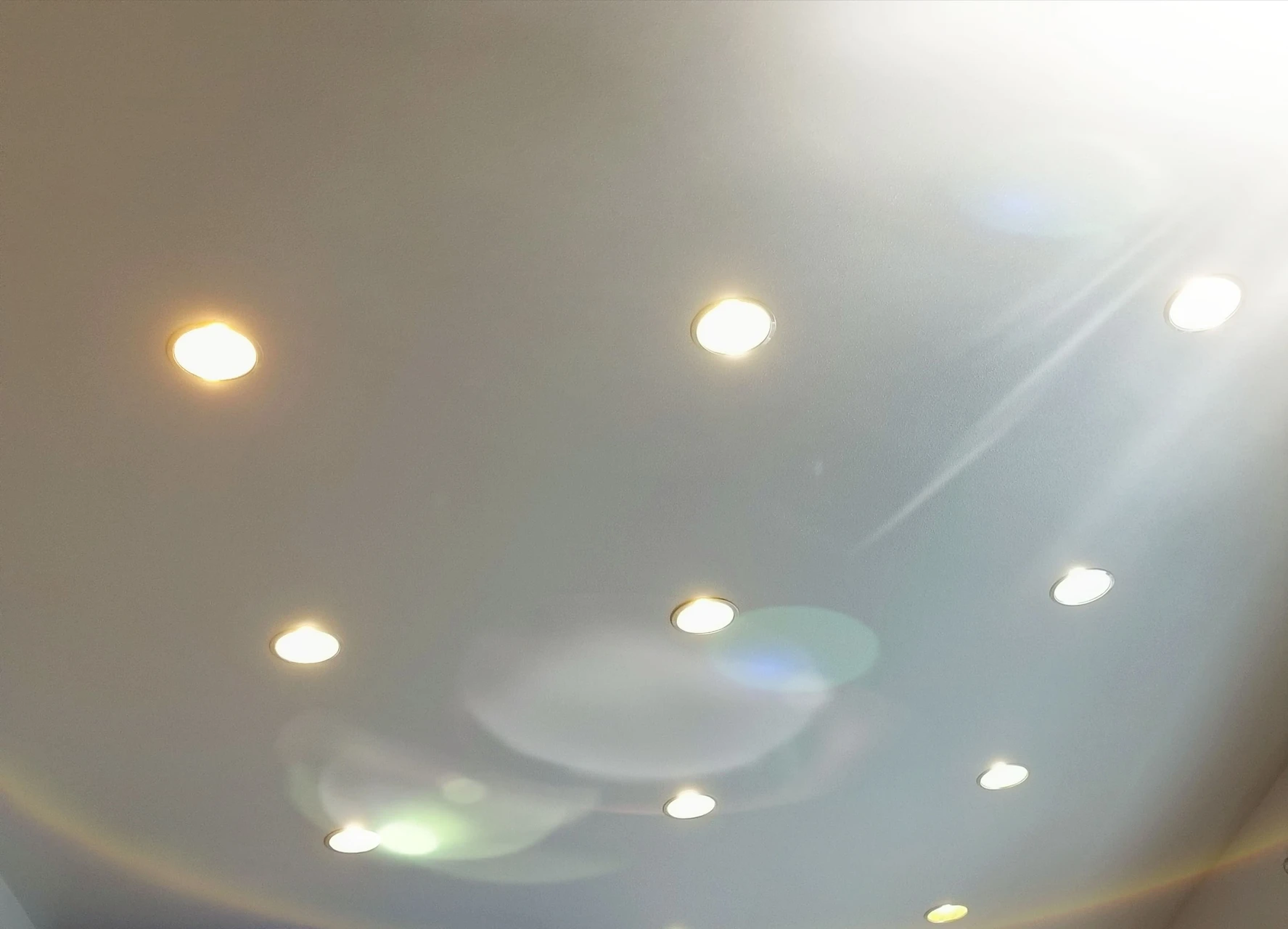
Recessed lighting looks great on a blueprint. But then you sit down on the couch to watch a movie and get a bright LED shot right into your cornea. We’ve all been there. Squinting at the TV, getting a headache trying to read, or just feeling like you live in an operating room.
The good news? You usually don't have to rip out your drywall to fix it. Sometimes, just slapping a dimmer on the wall or swapping out the trim makes a massive difference.
Let's look at how baffles, reflectors, and regressed lights actually handle glare. Because they all do it differently.
So, Why is Your Ceiling Blinding You?
Mostly, it's a contrast issue. The light is just way brighter than the room around it. The Illuminating Engineering Society has a whole scientific definition for it, but honestly, it comes down to a few annoying mistakes.
First, exposed LEDs. If the actual light chip sits flush with the ceiling, you’re gonna see it from the couch.
Then you have the "too much light" trap. Dropping a high-output fixture right over a seating area in a dark room just creates a harsh spotlight. You also have to watch your placement. Putting a light directly over the TV or bouncing it off a shiny granite counter is a guaranteed headache.
What Actually Is "Low Glare" Lighting?
It doesn't mean making the room dark. It means controlling how the light leaves the can.
You want a good "shielding angle." Basically, a well-designed fixture hides the bright LED from your normal line of sight. Think of it like wearing a baseball cap to block the sun.
But don't just assume a deep can is a magic fix. If the beam spread is wrong or the bulb is too strong, you’ll still get glare. And if a light is too shielded, your walls stay dark and the room feels like a cave.
Baffles vs. Reflectors
People ask me this all the time. From the floor, they look similar. Inside? Totally different jobs.
Baffle Trims (The Light Traps)
A baffle has grooves or ridges inside. It literally eats the light reflections. Black baffles are awesome; they absorb the most light and make the trim look like a quiet hole in the ceiling. White baffles blend in better with white ceilings but look brighter.
These are perfect for bedrooms or TV rooms where comfort matters. Just remember: a baffle won't fix a badly exposed LED. If the bulb sticks out, you’re still getting hit in the eye.
Reflector Trims (The Light Pushers)
Reflectors have a smooth or matte surface designed to push light out into the room. They are great for kitchens and hallways where you need solid, even lighting.
Yes, they look shiny. But that doesn't mean they cause more glare. A deep, well-engineered reflector can actually offer fantastic visual comfort because of how it shapes the beam.
Bottom line? Go with a baffle if you want to kill interior reflections. Go with a good reflector if you need efficient, controlled light.
Why Regressed Downlights Win for Glare
Regressed LED lights push the glowing part of the bulb way up inside the fixture.
Imagine sitting on your sofa. If the light is flush with the ceiling, zap direct eye contact with the LED. But if that LED is tucked up inside a deep chamber, the trim blocks your view of the bright spot. It makes the ceiling look much calmer.
Contractors love this for a reason. However, depth alone isn't everything. If the optics are garbage or the light is too bright, you'll still have issues.
Three Fixtures Worth a Look
If you're shopping around, here are three solid options from Cans & Fans that actually work.
- Envision Canless 3" Regressed Round Gimbal
Best for: Artwork and tight spaces.
This little guy is only 3 inches. Because it's a gimbal, you can aim it exactly where you want. It’s an 8W LED that pumps out 600 lumens. You get five color temps, 90 CRI, and TRIAC dimming. Plus, it's canless so no clunky metal housing in the ceiling. The regressed lens keeps the glare down, and since it's adjustable, you can point it at a wall instead of shining it right in your face. (It's also wet-rated, which is a bonus). - Nora Onyx 5/6" Tunable LED Retrofit Baffle
Best for: Upgrading old cans.
Got existing 5 or 6-inch holes? Pop this in. It combines a grooved baffle with a deep regressed design. It pushes 1,150 lumens (15.5W) and has selectable color temps from 2700K to 5000K. It's dimmable, too. It's a fantastic, easy fix for an older house. Just keep in mind it's pretty bright, so make sure you pair it with a good dimmer. - Nora NPR-56RNDC 5/6" Pearl Retrofit Reflector
Best for: Flexible lighting setups.
This one uses a deep regressed cone reflector. The cool part? It comes with interchangeable optics. You can swap between a tight 26-degree spot, a 37-degree narrow flood, or a 59-degree flood. It puts out 1,150 lumens at just 10W (or 700 lumens in the Comfort Dim version). It proves that reflectors can absolutely be used for glare control if they are engineered right.
8 Quick Tips to Kill the Glare
Don't want to buy new lights? Try these tricks.
- If buying new, always look for regressed LEDs.
- Swap your white trims for black baffles. They absorb the glare.
- Slap a compatible LED dimmer on the wall. It softens the contrast. (Just check compatibility so it doesn't buzz).
- Don't put cans right over the TV. Point them at walls or furniture instead.
- Narrow beams are for accents. Wide beams are for general light. Match the light to the job.
- Don't rely just on ceiling cans. Add floor lamps and sconces to balance the room.
- 2700K-3000K for cozy bedrooms. 3500K-4000K for crisp kitchens.
- Don't just grid them out. Think about where shadows fall and how high your ceiling is.
The Room-by-Room Cheat Sheet
- Living Room: Deep regressed lights with a dimmer. Keeps things comfy around the couch.
- Bedroom: Baffle trims with warm LEDs. Super relaxing.
- Kitchen: Deep reflectors. Gives you bright, controlled task lighting without the sting.
- Home Theater: Regressed cans and indirect lighting. Zero screen reflections.
- Home Office: Shielded lights, plus a desk lamp. Saves your eyes.
Don't Make These Mistakes
Stop buying lights based solely on lumens. "More" isn't always better it just means more glare. Also, don't ignore your shiny countertops or glossy floors; they bounce light right back up at you.
And if you're doing a retrofit? Double-check that the new bulb actually fits your old housing.
FAQ
How do I actually reduce glare?
Hide the bulb! Use regressed fixtures, add baffles, get a dimmer, and keep them out of your direct line of sight.
Do baffles actually work?
Yes, they absorb reflections inside the trim. Black is best for this. But an exposed LED will still glare at you regardless of the trim.
Are deeper lights always better?
They help, but only if the optics are good. A deep light with a bad reflector is still going to blind you.
Can bad lighting cause eye strain?
It definitely makes reading or computer work more fatiguing. If your eyes hurt, it might be the lighting, though you should always check with a doctor for persistent issues.
What's best for watching TV?
Deeply regressed, dimmable lights, placed away from the screen. Indirect light behind the TV is a great idea, too.
The Final Word
Fixing recessed lighting glare isn't about making the room dark. It's about controlling the light. Combine the right trims (baffles or reflectors), regressed designs, and good placement with a dimmer, and you'll have a space that feels bright and welcoming without the eye strain.
If you're ready to upgrade, take a look at the downlights and trims available at Cans & Fans to find the right fit for your room.


