
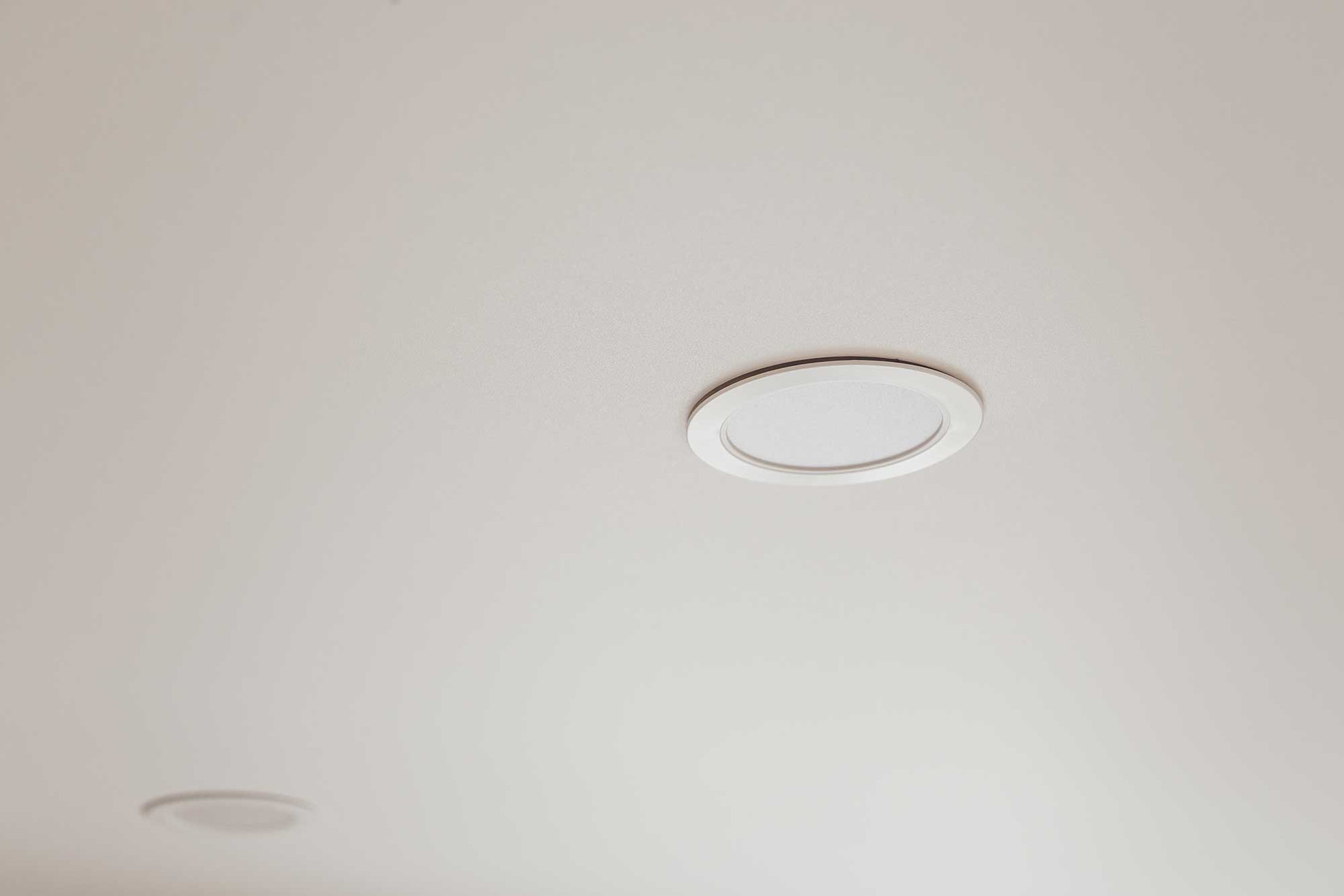
LED Recessed Lighting vs Traditional Cans: Which Is Better in 2026?
The Big Deal on Efficiency & Performance
Let's talk numbers. Remember how hot those old halogen bulbs got? That was wasted energy and money literally burning up into your ceiling. A modern LED disk light from our collection gives you all that bright, beautiful light for a tiny fraction of the wattage. The result? Your monthly power bill drops, and you can finally forget about keeping a box of spare bulbs in the garage. The savings genuinely add up.
They Just. Keep. Going.
Here's my favorite part: longevity. A quality integrated LED fixture is built to last for decades of normal use. We're talking lifespans rated for 25,000 hours and beyond. Compare that to the halogen bulb you're maybe changing every other year. You install these LEDs, set the perfect dim level, and then you basically forget about them. It's one less thing on your home maintenance list.
A Fit for Modern Homes
Old recessed cans require a surprising amount of space above the ceiling - something newer homes and retrofits often don't have. That's where today's slim designs shine. Our canless retrofit kits are a game-changer. They mount directly to the drywall, need virtually no depth, and are perfect for spaces with tight joists or insulation. Getting professional-looking light has never been easier.
Breaking Down the Choice: LED vs. The Old Way
|
The Consideration |
LED Recessed Lighting |
Traditional Halogen Cans |
|
Energy Use |
Incredibly low |
Surprisingly high |
|
How Long It Lasts |
25,000+ hours (Years of service) |
1,000–2,000 hours (Frequent changes) |
|
Heat Produced |
Minimal, cool to the touch |
Significant, a fire hazard risk |
|
Installation Flexibility |
Excellent, with ultra-thin options |
Limited by bulky housing size |
|
Upkeep Needed |
Very low; virtually maintenance-free |
High; regular bulb replacements |
When you look at it side-by-side, LED isn't just an alternative; it's the obvious successor for lasting value and performance.
Your Top Questions, Answered Honestly
Are LED recessed lights actually worth the cost?
The higher initial price is quickly offset by years of lower energy bills and not buying replacement bulbs. They pay for themselves.
How significant are the energy savings?
Massive. You can easily use 80% less electricity compared to older lighting. That's a direct cut to your operating costs.
What's the deal with "integrated" LEDs? Do they need bulbs?
Nope, and that's the beauty. The light source is built directly into the fixture. It's one solid unit designed to last for years without any part needing replacement.
Can I put them on a dimmer?
You absolutely can, and I highly recommend it for living spaces. Just make sure you use a dimmer switch that's specifically rated for LED loads to avoid any flickering.
I have existing old cans. Can I still use LEDs?
Good news! In most cases, yes. You can often just pop in a "retrofit" LED trim module. It uses the existing housing but gives you all the benefits of LED. Always check the product specs to be sure it's compatible with your old housings.
Do LEDs provide enough light?
They provide better light. You get the same or higher brightness (lumens) for a fraction of the power (watts). The light is also more directed and even.
Why do some LED lights flicker or buzz?
This is almost always due to using an old, incompatible dimmer switch not designed for LEDs. It can also be a sign of a very cheap driver. Spending a little more on a quality fixture and the right dimmer eliminates this issue entirely.


