
Ceiling Fans With Lights: Pros, Cons & Best Uses
Looking to tackle a couple of home needs with just one update? Let's talk about ceiling fans with lights. You know, those clever fixtures that hang out on your ceiling doing two important jobs without any drama. We love a good fan-light combo here at Cans & Fans. They’ve become a real staple for homeowners, particularly the newer LED versions that work wonderfully and look sharp. Are you giving your bedroom a new feel? Freshening up the living room? Or trying to figure out how to make your covered porch more usable? This type of fixture offers a kind of handy flexibility that’s tough to beat.
What Are Ceiling Fans With Lights?
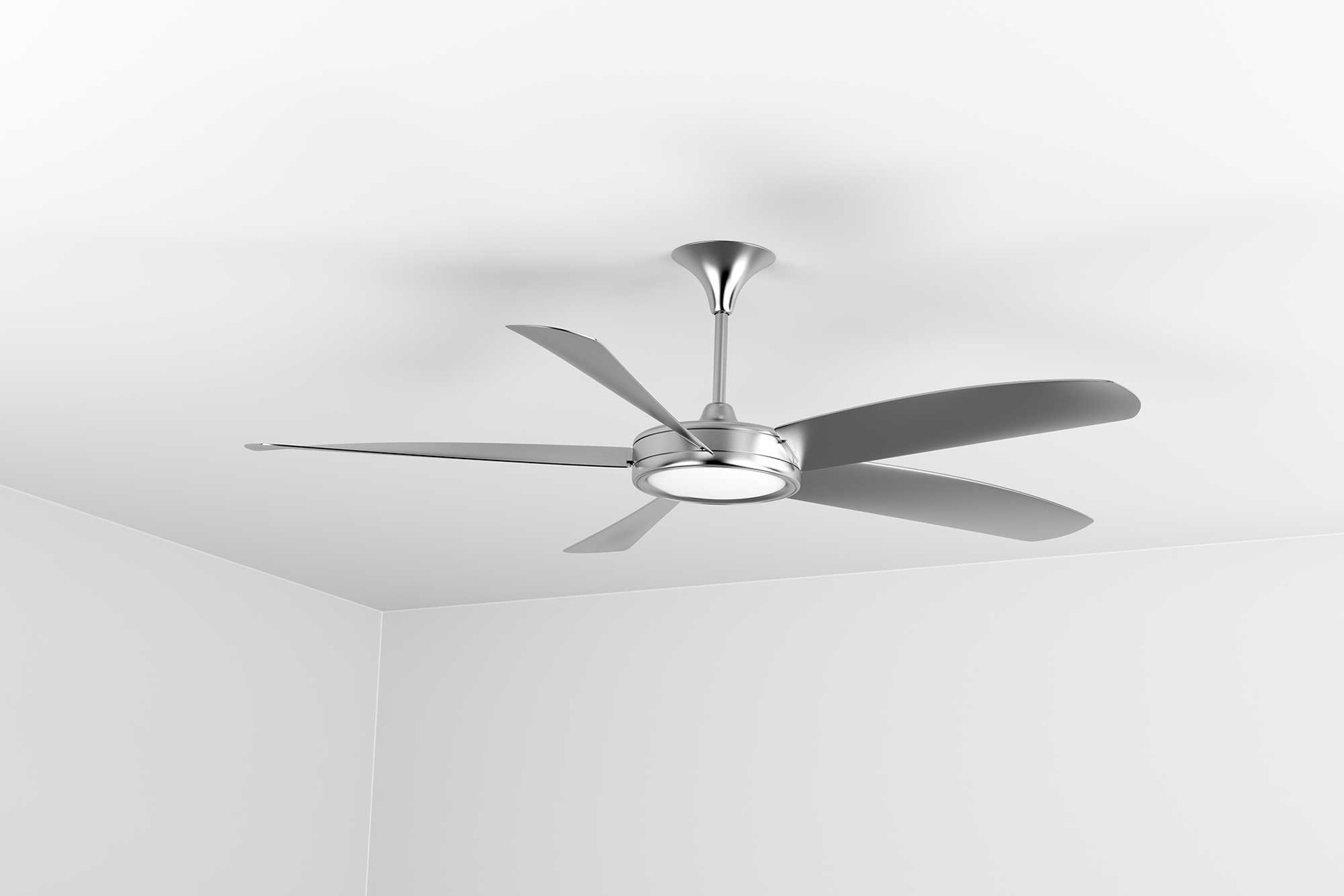
At its heart, it’s a hybrid. It’s one appliance mounted to your ceiling that merges a circulating fan with a built-in source of light.
So what’s the payoff for you? It boils down to three things:
- Consistent air movement to keep things feeling fresh.
- A good base layer of light for the entire area.
- A simpler ceiling with fewer cuts and fixtures vying for attention.
Why Choose Ceiling Fans With Lights?
- For a Cleaner, Calmer Ceiling
Truth is, a lot of houses - especially older ones or apartments - just don’t have the wiring or layout for multiple big fixtures in the center of a room. Combining the fan and light cuts down on the visual busyness overhead. It’s a genuine lifesaver in spots like:
- Smaller bedrooms where every inch counts.
- Rooms with ceilings on the lower side.
- Places where there’s literally only one electrical box in the middle of the room.
Merging two purposes into a single footprint just makes the space feel more open and orderly.
- Serious Savings with LED
Nowadays, it’s common to find fans with integrated LED lights, and that’s a major win. Here’s what that means for you:
- Your power bill gets a break.
- The “bulbs” are designed to last for years and years; we’re talking a couple of decades in some cases.
- You get steady, reliable light without constantly climbing a ladder to make changes.
An LED fan light consumes a tiny amount of the energy that old-school incandescent bulbs did. Match it with a modern, efficient motor, and you can pretty much leave it on without a second thought.
- Comfort All Year Long
A lot of people make the mistake of thinking fans are purely a summer thing. Yes, when it’s hot, that breeze creates a lovely cooling effect that lets you turn the AC down a notch. But come winter, just hit the reverse switch. It slowly circulates the warm air that rises and gets trapped at the ceiling, pushing it back down into the room so you feel cozier. Getting light from that same versatile piece of hardware is just a brilliant bonus. - You’ve Got Options
Throw out any image of the clunky, noisy, dated fan from your grandma’s house. Current designs are actually attractive and meant to be seen. The market offers:
A Couple Things to Watch Out For
As handy as they are, I have to be straight with you - they’re not the perfect fit for every single scenario.
Ceiling Height is a Real Factor
If your ceilings are low, the wrong fan can feel… intimidating. “Hugger” or flush-mount styles are specifically made for this. Always, always measure first. A solid rule is to have the bottom of the fan blades at least 7 feet off the floor for both safety and a comfortable feeling in the room.
Where Do They Work Best?
Bedrooms
This might be the most popular spot for them. They offer gentle air movement for better sleep and a soft, even light that’s easy on the eyes. A dimmable LED model here is perfect: crank it up for reading a book, wind it down for falling asleep.
Living Rooms
The main family hangout benefits a ton. A fan helps manage temperature for everyone, and the light adds to the overall atmosphere. Opt for a model with a wider blade span here, and definitely pair it with other light sources to fill in any dark corners.
Home Offices
Staying productive is easier when you’re physically comfortable. The airflow fights off that stuffy, tired feeling, and having an overhead light integrated means one less thing to wire separately. Look for fans with flicker-free LEDs and a good dimmer to help reduce screen glare.
LED or Traditional Bulbs? Let’s Compare
Integrated LED Lights
The Upside: Incredible energy efficiency, a stunningly long lifespan, and a seamless, modern look. Dimmability is often just built right in.
The Downside: If the LED unit itself fails, you’re usually looking at replacing the entire light assembly. It’s not a simple bulb swap.
Fans with Replaceable Bulbs
The Upside: Total freedom. Swap the bulb anytime you want: choose your own brightness, warm or cool color, or even pop in a smart bulb. It’s easy and inexpensive.
The Downside: They’ll use a bit more electricity over time, and you will eventually need to change a bulb.
Picking the Right One For You
Don’t just grab the first pretty one you see. Keep this shortlist in mind:
Room Size
This drives your decision. Bigger spaces need fans with a wider blade span (measured from tip to tip) and a higher lumen output from the light kit.
Ceiling Height
This is critical. Low ceilings need flush-mounts. Standard 8-9 ft ceilings are fine with a short downrod. Got a vaulted or high ceiling? You’ll need a longer downrod to bring the fan down to the right height.
Your Lighting Plan
Be honest. Is this going to be the primary source of light, or is it playing a supporting role alongside table lamps and other fixtures?
How You Want to Control It
Your options have gotten better:
- The old-school pull chains.
- Separate wall switches (one for fan, one for light).
- A handy remote control (a bedroom favorite).
- Smart home compatibility (for control via your phone or voice assistant).
A Note on Installation
This isn’t like changing a lightbulb. Doing it right matters and typically means:
- A fan-rated electrical junction box in the ceiling. This is the #1 most important thing. The box your existing light fixture uses is probably not strong enough to safely hold a moving fan.
- Proper wiring to let you control the fan speed and light independently.
- Making sure everything is mounted securely and balanced to prevent any wobbling or noise.
If you’re replacing a standard light with a fan, it’s a very wise idea to have an electrician check that box. It’s a small cost for a lot of safety and peace of mind.
Keeping It Running Smoothly
The good news? They don’t ask for much.
- Every few months, give the blades and the light cover a quick dusting.
Frequently Asked Questions
Are ceiling fans with lights bright enough?
A lot of the modern LED ones are seriously bright. But in a huge room or for detailed tasks, think of it as your main ambient light source and plan to add other lighting where you need it.
Are ceiling fan light kits universal?
Sorry, but no. This trips a lot of people up. Kits are designed for specific fan makes and models. Always verify compatibility using your fan’s model number.
Can you dim ceiling fan lights?
Many can, especially LEDs. But you need two compatible things: a dimmable fan/light module and the right kind of dimmer switch on the wall (often a special “trailing-edge” dimmer for LEDs).
Do they really save space?
100%. One electrical box, one fixture. It visually cleans up your ceiling in a major way.
Are they good for kitchens?
They’re great over a breakfast table or in an eat-in kitchen area. But for actual food prep tasks at the counter, you’ll still want dedicated under-cabinet or pendant lighting.
What’s the best bulb for a ceiling fan light?
An LED bulb, no contest. They’re efficient, last forever, run cool (which is better for the fan), and the light quality is excellent now.
Do fan lights use a lot of electricity?
The LED lights themselves use almost nothing. The fan motor uses more, but even on high, it’s a fraction of what an air conditioner uses. On low speed, it’s negligible.
Can I add a light to my current ceiling fan?
Often, you can. Step one is to see if the manufacturer sells an official light kit accessory for your exact model. Check their website or dig out your original manual.


