
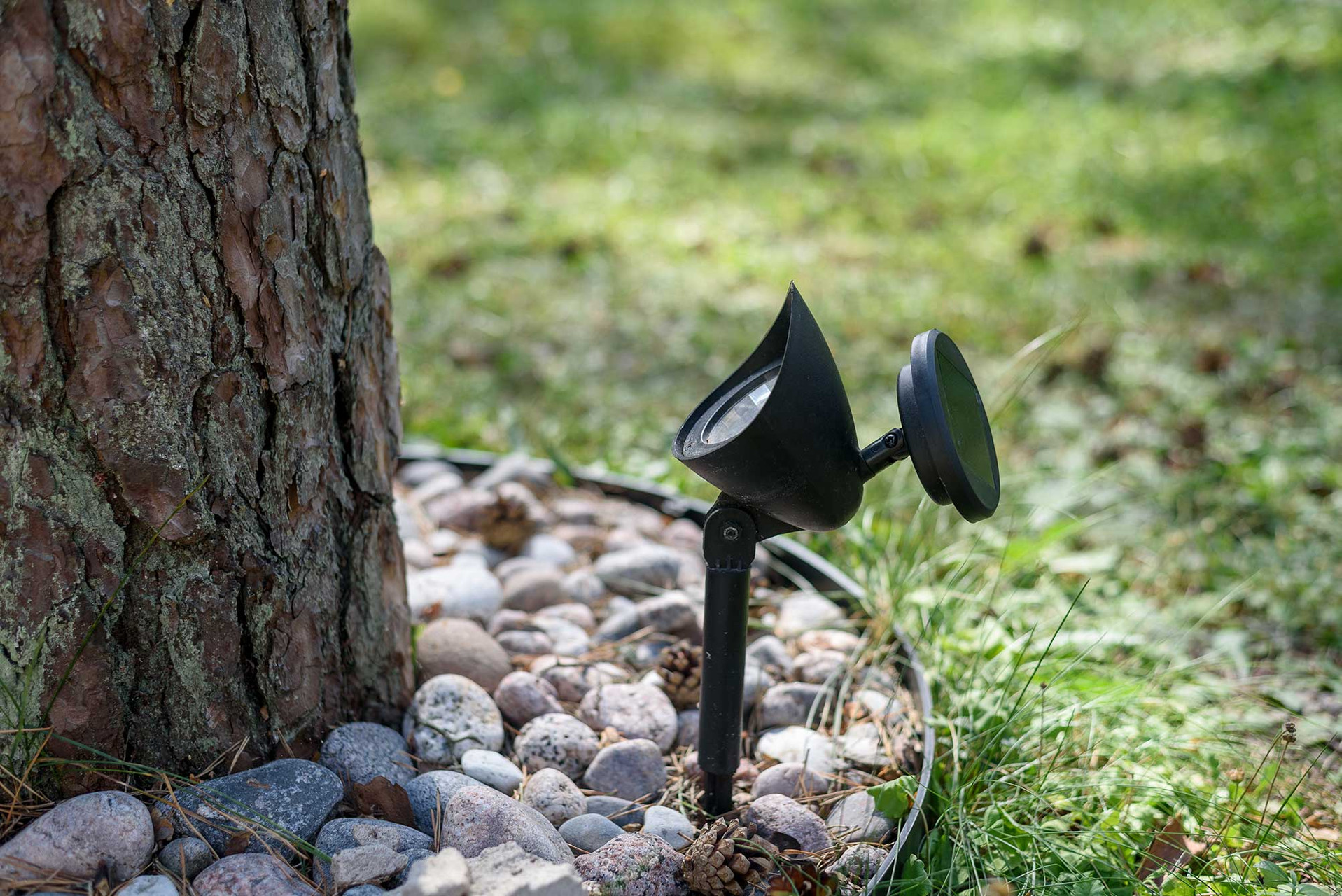
Brass vs Aluminum Landscape Lighting: Which One Actually Lasts?
Look, I'm just going to tell you straight up about landscape lighting.
These things take a beating. We're talking inches above muddy ground, getting drenched by sprinklers, covered in lawn chemicals, buried under snow, and if you're by the ocean? That salt air eats away at everything. Plus your lawn guy hits them with the trimmer, kids knock them over playing catch, and dogs seem to think they're personal property markers. And somehow, after all that abuse, you still expect them to light up your yard beautifully every single night.
So yeah, what they're made of actually matters quite a bit.
Here's the deal: brass usually wins this fight. It's heavier, stands up to corrosion naturally, and forms that protective coating over time instead of depending on paint to survive. Aluminum? Cheaper and lighter for sure, but how long it lasts really comes down to the specific alloy they used, how well it was cast, how they prepped the surface, and what kind of finish they put on it.
Now don't get me wrong—I'm not saying every brass light is incredible or every aluminum one is garbage. A properly made aluminum fixture can serve you well for years. And a brass light with lousy seals? That thing's going to fail just like anything else. The metal choice is important, but it's not the whole story.
What it really comes down to is where you're installing these things, how long you actually want them to stick around, and whether you'd rather spend more now or deal with replacements down the road.
Quick Comparison Table
|
Factor |
Brass Landscape Lights |
Aluminum Landscape Lights |
|
Price |
Costs more upfront |
Easier on the wallet initially |
|
Weight |
Heavy, feels solid |
Light, easy to handle |
|
Corrosion Resistance |
Great naturally |
Decent with good finish |
|
Finish Dependency |
Not much |
A lot |
|
Coastal Performance |
Usually good |
Needs special alloys and coatings |
|
Aging |
Darkens, may get patina |
Finish can fade, chip, oxidize |
|
Maintenance |
Less with natural finish |
More finish care needed |
|
Best For |
Permanent, high-end installs |
Budget jobs, protected areas |
|
Long-Term Winner |
Brass |
Depends on situation |
What's Actually Happening Under the Surface
Walk into any lighting showroom and you'll see new fixtures that look pretty much identical. That black aluminum light could be sitting right next to a black brass one, and you'd never know the difference. Same clean lines. Same LED bulb. Same vibe.
But give it a few years.
Brass is copper and zinc mixed together. The corrosion resistance? That's baked right into the metal itself. When the surface hits air and moisture, it doesn't disintegrate it just gets darker. That brown, green, or blue-green layer that forms? That's patina, and it's actually protecting the metal underneath.
Aluminum does its own thing it forms a thin oxide layer when exposed to air. That's why you won't see traditional rust on it. But here's the thing rust specifically means iron oxide. Aluminum doesn't make iron oxide. Instead, it oxidizes, pits, and breaks down over time.
The real difference? Brass ages as a material. Aluminum ages as a finish.
An old brass light might change color, but it'll stay structurally sound. Meanwhile, when an aluminum light's paint or powder coating gets damaged, the bare metal underneath becomes fair game for the elements. The finish failing doesn't kill the fixture right away, but it's usually where the trouble starts.
Why Brass Usually Takes the Crown
Here's something people don't always get about brass it won't stay looking shiny and new, but that's actually kind of the point. It can keep working perfectly while changing appearance gracefully.
Brass handles corrosion like a champ
This alloy gets used in plumbing, marine equipment, and industrial settings precisely because it holds up so well outdoors. Scratch a brass fixture and you'll see more brass underneath. Scratch a painted aluminum one and you'll expose whatever's under the paint and it won't match.
That matters when your lights live in flower beds, near driveways, and along pathways where tools, rocks, and lawn equipment can bump into them.
Heavier means more stable
Brass has some heft to it. Mount it properly and it stays where you put it. Now, weight alone doesn't guarantee quality you still need good wall thickness, solid hardware, proper seals, and quality casting. But a thick cast-brass body generally outlasts a thin, cheap aluminum shell every time.
Patina isn't damage it's armor
A brass fixture gradually darkens over time. In damp conditions, it might develop that greenish patina you see on old statues and copper roofs. Near the ocean, chlorides join the mix. These surface layers are thin, stable, and actually protect against further corrosion.
For many landscapes, patina is a feature, not a flaw. The fixture blends into the garden instead of standing out like a sore thumb during the day.
When Aluminum Makes Perfect Sense
Let's not pretend aluminum is bad it's popular for solid reasons. Lightweight, easy to work with, corrosion-resistant, and affordable. Architects and builders have relied on it for decades.
Good aluminum lights make sense when:
- You're watching your budget
- The fixtures go in a dry, sheltered spot
- You might change your landscape design in a few years
- You specifically want a painted finish rather than natural metal
- The manufacturer uses quality alloys and proven coatings
- Replacement cost isn't as big a deal as the initial price
The problem isn't buying aluminum. The problem is thinking all aluminum fixtures are created equal.
Die-casting can create detailed, consistent housings. But the alloy, wall thickness, surface prep, and coating quality determine whether that housing survives the outdoors. A high-quality aluminum fixture can outperform a poorly made "premium" metal light any day.
Does Aluminum Rust?
Nope. No iron, no rust.
But aluminum does corrode. When fresh aluminum hits air, it forms a thin oxide layer that protects it. Under normal conditions, this works great. In harsh environments especially with salt, trapped moisture, or damaged finishes you can get pitting and localized corrosion.
Here's what aluminum deterioration actually looks like:
- White or gray powdery oxidation
- Bubbling paint or coating
- Flaking or chipped finish
- Pitting around screws, joints, and drainage holes
- Fading or chalkiness from sun exposure
None of this is technically rust. But it'll ruin the appearance and, in severe cases, shorten the fixture's life.
Coastal Areas Change Everything
If you live near the ocean, pay attention. Salt spray changes the game entirely.
Wind carries chloride-rich salt onto your lights. Moisture keeps those deposits active. Tiny scratches, joints, and connections between different metals become corrosion magnets.
Brass is generally safer here, but not all brass is created equal. Naval brass, high-tensile alloys, and dezincification-resistant versions exist specifically for marine conditions.
Before buying for coastal use, ask yourself:
- Does the manufacturer approve the fixture for coastal installation?
- Is coastal corrosion covered or excluded by the warranty?
- Are the screws and mounting hardware compatible with the housing?
- Is the fixture rated for wet locations?
- Can you rinse salt off periodically?
- Will water drain properly, or will it get trapped?
Aluminum can work near the coast too with the right alloy and finish. Architectural anodizing and high-performance coatings help significantly. But salt deposits will shorten finish life if you neglect maintenance.
Basically, coastal-grade aluminum isn't the same as cheap painted aluminum.
Rain and Snow: What Actually Holds Up?
Between similar fixtures, brass usually gives you more confidence against long-term weathering. But rain and snow resistance depends on more than just the housing material.
Water sneaks in through:
- Lens seals
- Cable entry points
- Threaded joints
- Adjustable knuckles
- Damaged gaskets
- Poor drainage
- Incorrect installation
A brass housing won't save a bad seal. An aluminum housing won't automatically leak.
Look for wet-location approval and IP ratings. Check the glass (tempered and sealed), gasket quality, cable suitability, drainage design, and warranty.
Brass wins the material comparison. Proper sealing wins the weather comparison.
Cast Brass vs Cast Aluminum: Does One Always Win?
For permanent installations, cast brass usually takes the crown. Heavier body, inherent corrosion resistance, and scratches don't expose a different-looking metal underneath.
Cast or die-cast aluminum offers two big advantages: cost and weight. It also holds detailed shapes well during manufacturing.
But the casting label alone doesn't tell you enough. Consider:
- Housing thickness
- Threaded component precision
- Socket quality
- Lens material
- Gasket design
- Fastener materials
- Cable specs
- Whether the light source is replaceable
- Warranty details
Warranties tell an interesting story. Kichler offers different coverage periods five years for aluminum housings, ten years for certain brass ones. VOLT provides lifetime warranties on their brass and copper fixtures. These examples don't prove every fixture's lifespan, but they show how manufacturers view the material difference.
Do Brass Outdoor Lights Turn Green?
Sometimes. Not always.
Whether a brass fixture turns green depends on the alloy, original finish, climate, pollution, moisture, salt exposure, and whether a protective coating was applied.
The progression usually goes:
- Bright or antique-brass starting color
- Gradual darkening
- Brown or charcoal tones
- Green or blue-green areas in wet conditions
This is natural surface aging, not the flaky red rust you get with steel. Outdoor brass patina is thin and actually protects the metal.
Some people love this living finish and leave it alone. Others prefer the brighter look and clean their fixtures with manufacturer-approved methods. Just know that repeated polishing creates ongoing work and removes the aged character many people choose brass for in the first place.
Let's Look at a Real Example: Liberty LBE-2236
The Liberty LBE-2236 series gives us a perfect comparison because the same basic fixture comes in both brass and aluminum.
Liberty LBE-2236-AB Cast Brass Deck Light
This one has a thick, solid cast-brass body. It runs on 12 volts, takes MR16 lamps up to 35 watts, includes a heat-resistant tempered-glass lens, three feet of direct-burial wire, and an adjustable bracket. Use it for grazing, uplighting, downlighting, or backlighting.
Liberty LBE-2236-BK and LBE-2236-WH Aluminum Deck Lights
These versions use die-cast aluminum. Same electrical specs: 12-volt, MR16 up to 35 watts, tempered glass, direct-burial wire, adjustable mounting. Just different materials and finishes.
Clear choice:
|
Model |
Housing |
Finish |
Best For |
|
LBE-2236-AB |
Cast brass |
Antique brass appearance |
Long-term installations, durability priority |
|
LBE-2236-BK |
Die-cast aluminum |
Black |
Budget projects, dark contemporary look |
|
LBE-2236-WH |
Die-cast aluminum |
White |
Lighter architecture, cost-sensitive installs |
At current pricing (which can change), the brass model costs around $55.95 while the aluminum versions run about $39.95 each. Classic trade-off: pay more now for brass, pay less later on replacements.
Pick the brass version when the light stays outdoors permanently, replacement would be difficult, or long-term appearance matters more than saving a few bucks.
Pick aluminum when budget, finish color, or short-to-medium-term value takes priority.
Are Brass Landscape Lights Worth the Extra Cost?
Usually, if you're thinking long-term.
That purchase price is just one part of the total cost. Replacement involves labor, connectors, cable inspection, re-aiming, disturbing planting beds, and the risk that your chosen model or finish might not be available later.
Go brass when:
- You're near the ocean
- Irrigation hits the fixtures regularly
- You get heavy rain or snow
- Lights go in hard-to-reach spots
- The design should last for years
- You like natural patina better than peeling paint
- Consistent long-term appearance matters
Aluminum might be better for a rental property, temporary landscape, sheltered patio, or when lower initial cost lets you afford more fixtures.
The premium makes sense when it solves a real durability problem not just because brass sounds fancy.
Which Requires Less Maintenance?
Brass usually needs less work if you accept its natural aging.
You'll still clean lenses and inspect things, but you don't have to maintain a perfect painted finish. The patina becomes part of the look.
Aluminum can also be low-maintenance, especially in sheltered spots with good coatings. But near the coast or with sprinkler overspray, you should rinse off salt and mineral deposits to protect the finish.
Regardless of material, check your lights periodically for:
- Soil or mulch covering the lens
- Plant growth blocking the beam
- Loose aiming joints
- Damaged cable
- Water inside the lens
- Worn gaskets
- Corroded connectors
- Mineral deposits from sprinklers
Most fixture failures come from water entry, connection problems, or poor installation not the metal body crumbling.
Final Verdict
In the brass vs aluminum landscape lighting battle, brass lasts longer in most demanding residential settings.
It's heavier, naturally corrosion-resistant, and ages through patina instead of depending entirely on a decorative coating. For permanent systems, coastal properties, and spots exposed to irrigation, soil, and harsh weather, cast brass is usually the stronger investment.
Aluminum still has its place. It's affordable, lightweight, and comes in crisp painted finishes. High-quality aluminum with the right alloy and coating performs well, especially in mild or protected spots.
The decision comes down to this:
Choose aluminum when price matters most upfront. Choose brass when the last replacement matters most.
For the Liberty LBE-2236 family, the LBE-2236-BK and LBE-2236-WH give you solid aluminum options. The LBE-2236-AB offers the more durable cast-brass upgrade.
A great landscape lighting system should blend into the garden and perform without demanding attention. The best material is the one that lets it keep doing exactly that season after season, long after you've forgotten what you paid for it.
Frequently Asked Questions
Is brass or aluminum better for landscape lighting?
Brass is generally better for the long haul. It's heavier and naturally fights corrosion. Aluminum costs less and does fine in the right conditions, but its lifespan leans more on alloy quality and finish.
How long do brass landscape lights last?
There's no set number because seals, sockets, installation, climate, and maintenance all factor in. But well-made brass housings can last decades. Some manufacturers offer ten-year, fifteen-year, or even lifetime warranties on premium brass fixtures.
Do aluminum landscape lights rust?
No, they don't form iron rust. But they can oxidize, pit, or suffer coating failure, especially with salt, trapped moisture, pollutants, or surface damage.
Are brass landscape lights worth the extra cost?
Yes, for permanent installations, wet climates, coastal areas, or spots where replacement would be a pain. Aluminum often gives better initial value for sheltered or temporary projects.
What's the most durable material for landscape lighting?
Cast brass, copper, and suitable stainless steel grades are top-tier choices. But the best option depends on alloy, construction, seals, fasteners, and environmental ratings not just material name.
Is brass landscape lighting suitable for coastal areas?
Generally yes, but check the exact alloy and warranty. Aggressive marine conditions might call for naval, dezincification-resistant, or specially formulated brass.
Do brass outdoor lights turn green?
Some do. Damp weather and marine exposure can create green patina from oxides, carbonates, and coastal chlorides. It's natural and actually protective.
Which needs less maintenance, brass or aluminum lighting?
Brass usually needs less cosmetic attention if you accept natural patina. Aluminum can also be low-maintenance with good finish quality, but you should remove salt and contaminants to protect that finish.
Are cast-brass landscape lights better than cast aluminum?
For long-term durability and exposed locations, usually yes. Cast aluminum offers a lower price and lighter weight. But look at construction quality, seals, wiring, and warranty alongside housing material.
Which landscape light material handles rain and snow best?
Brass generally handles long-term outdoor exposure better than ordinary aluminum. But wet-location approval, IP ratings, seals, drainage, and proper installation matter just as much.


