
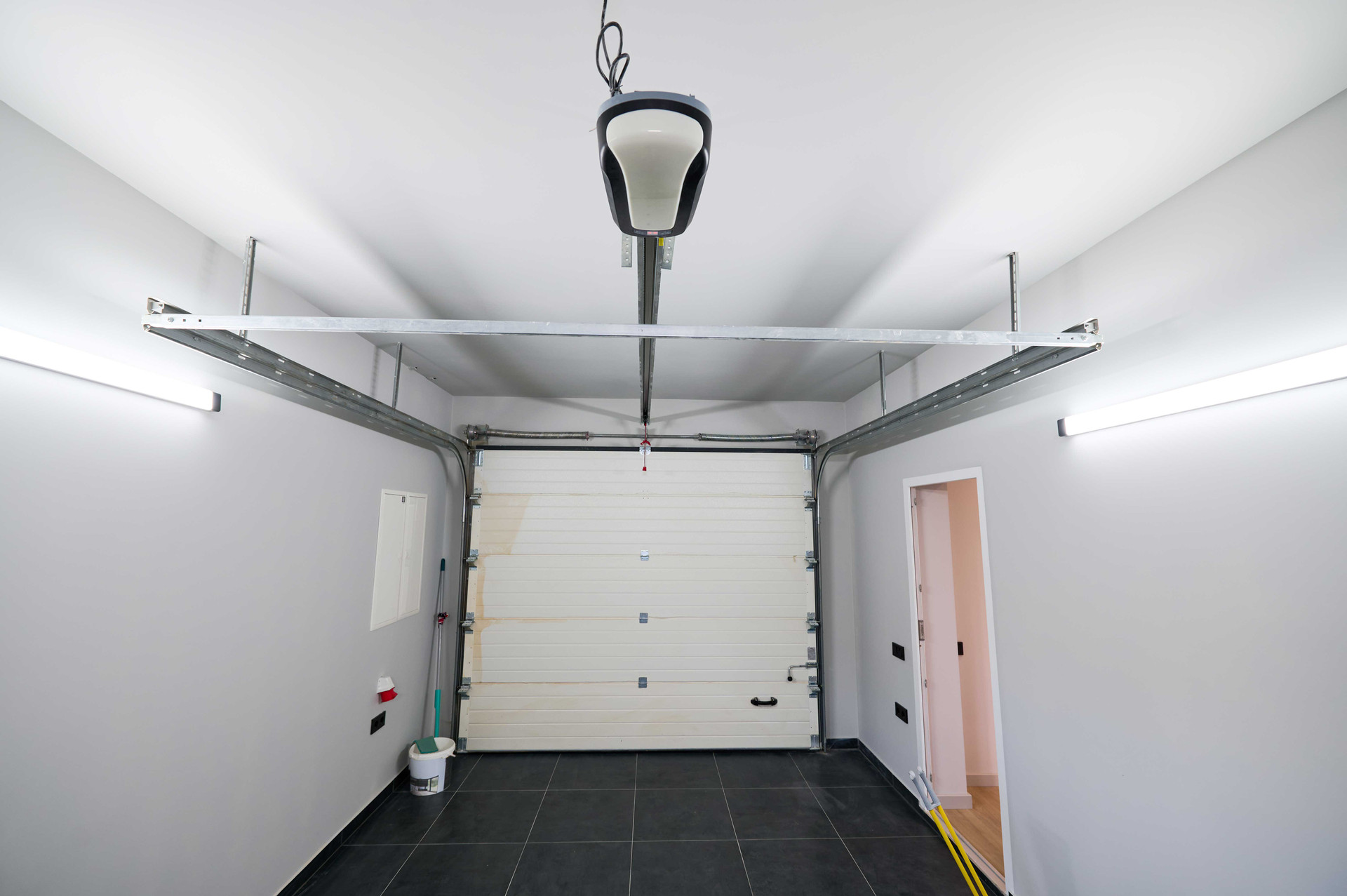
Best LED Lighting for Garage: Types & Buying Guide
Best LED Lighting for Garages: Wraparound, Recessed & Canopy Light Options
Garages usually get the short end of the stick. You’re lucky if you’ve got one sad lightbulb dangling from the ceiling. If you actually use the space, whether you’re fixing the lawnmower, building a shelf, or just trying to find the snow shovel, those dark, shadowy corners are a massive pain.
Putting in LEDs is the easiest way to fix it. It’s not even a debate anymore. You get way more light, the bulbs don't burn out every six months, and they actually spread the brightness around instead of just blasting a spotlight on the hood of your car. The Department of Energy has been saying this for years, but you already know if you've swapped out the rest of your house.
Here is a breakdown of the three best types of lights for a garage, plus how to figure out exactly how much light you actually need.
First, Do the Math
Don't just guess. If you want the garage to actually feel bright, you need the right amount of lumens (the actual light output).
Here’s a quick cheat sheet based on what you do in there:
- Just parking: 30 to 40 foot-candles.
- Parking and general storage: 30 to 50.
- Weekend hobby stuff: 50 to 75.
- A real workbench: 75 to 100+ right where you're standing.
If you've got a standard two-car garage (around 400 square feet), aiming for 40 foot-candles means you need about 16,000 lumens hitting the floor. Because cars and shelves block light, you should actually buy fixtures that put out more than that, usually somewhere between 16,000 and 25,000 total lumens.
The biggest mistake people make is buying one giant, blinding light for the center of the room. All that does is leave you in the dark the second you open a car door. You want multiple lights spread out.
1. Wraparound Lights
If you just want to get it done, grab wraparound LED fixtures. They are those long, rectangular lights with a frosted plastic cover. You just screw them straight into the ceiling.
Because they have that diffuser cover, they spread light really well across a wide area. They are also the perfect replacement if you have those old, buzzing fluorescent tube lights.
What to buy: Look at the RAB GUS17. The 4-foot version is great. You can change the brightness and the color temperature (it goes from 3500K to 5000K) by flipping a switch on the inside. If you line up four of those on your ceiling, you're looking at almost 20,000 lumens total. It’s cheap, simple, and it works.
2. Recessed Lights
Maybe you have a finished garage and you don't want ugly tube lights hanging from the ceiling. Recessed lights sit flush with the drywall. It looks really clean, like a normal room in the house.
The catch? Recessed lights individually don't cover as much space as a long wraparound. You have to buy quite a few of them to light the room evenly.
What to buy: You'll need a housing like the RAB New Construction IC Rated model. Just remember, the housing is just the metal box in the ceiling. You have to buy the actual LED bulb and the trim separately. And expect to install at least ten or twelve of them to match the brightness of four wraparound fixtures.
3. Canopy Lights
Don't forget the outside. Walking from your car to the house in pitch black is a great way to trip over a hose or step on a toy.
If you have an overhang or a covered area, canopy lights are the way to go. They are built tough for weather and throw a wide pool of light.
What to buy: The RAB VAN17 is a beast. It's wet-rated, has a built-in photocell (so it turns on when it gets dark), and can pump out almost 13,000 lumens. Just make sure you aim it right so you don't blind yourself pulling into the driveway.
Don't Mess Up the Layout
You can buy the best lights in the world and still ruin it by putting them in the wrong spot.
- Skip the centerline: Don't put all the lights in a single row right down the middle. Put them in two parallel rows. That lights up the cars and the walkways.
- Light your workbench: Overhead light casts a shadow right where you're working. Get a separate, focused light for your bench.
- Pick the right color: 4000K is the gold standard for garages. It's bright white but not blinding. Only go up to 5000K if you're doing really detailed mechanical work or painting.
- Watch the moisture: If your garage gets damp or dusty, make sure you buy fixtures that are rated for it. Damp-rated for humidity, wet-rated if they might actually get rained on.
Quick Questions People Always Ask
Are LEDs actually better than fluorescents?
Obviously, fluorescents hum, they flicker, and they suck in the cold. LEDs turn on instantly and last for tens of thousands of hours.
How many lumens for a two-car garage?
Aim for 16,000 to 25,000 total. More if you're running a workshop.
What's the best color temperature?
4000K is the sweet spot. It's clean and crisp without looking like a hospital.
Can I put recessed lights in a garage?
Sure. Just make sure the housing you buy is IC-rated if you have insulation in the ceiling.
Why are my lights leaving shadows?
Because you put them in a straight line. Spread them out across the ceiling.
The Bottom Line
Stop working in the dark. For 90% of people, a few LED wraparound fixtures are all you need to completely change the vibe of the garage. If you want it to look fancy, go with recessed lights. And if your driveway is a black hole, toss a canopy light over the door. Get the brightness right, spread them out, and your garage will finally be usable.


